CicerAtoPs:Cicer arietinum and
Secale cereale –
Adaptation to climate change through the development of drought
tolerant crop
production
systems.
Albrecht Daniel Thaer Institute of Agricultural and Horticultural Sciences, Division of Crop Production
How can agriculture adapt to the growing challenges of climate change?
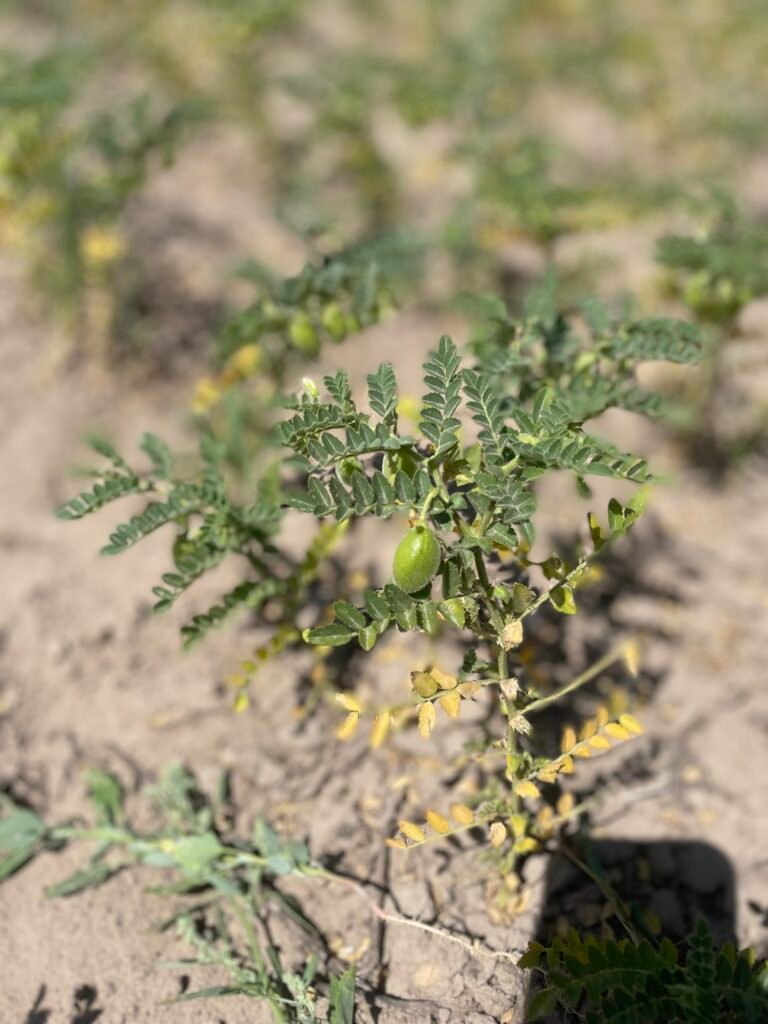
The research project CicerAtoPs seeks answers – placing the chickpea (Cicer arietinum) and winter rye (Secale cereale) at the center of its investigations.
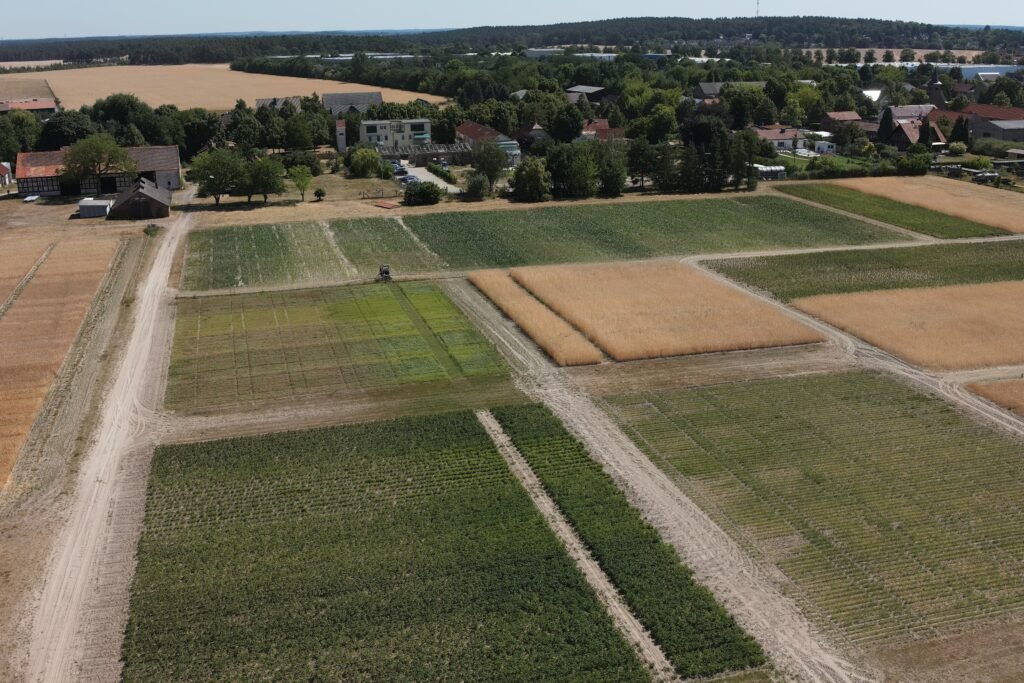
Rising temperatures and shifting rainfall patterns are leading to more frequent droughts, threatening crop yields and agricultural productivity. This is especially true in Brandenburg, one of Germany’s driest regions, characterized by sandy, nutrient-poor soils. Chickpeas show great potential as a climate-resilient crop: they tolerate heat and drought better than many other plants, fix atmospheric nitrogen, and help improve soil fertility. Winter rye, a well-established and water-efficient crop, serves as a reference in the project. Together, researchers at Humboldt University of Berlin explore how these plants can contribute to more climate-resilient farming systems.
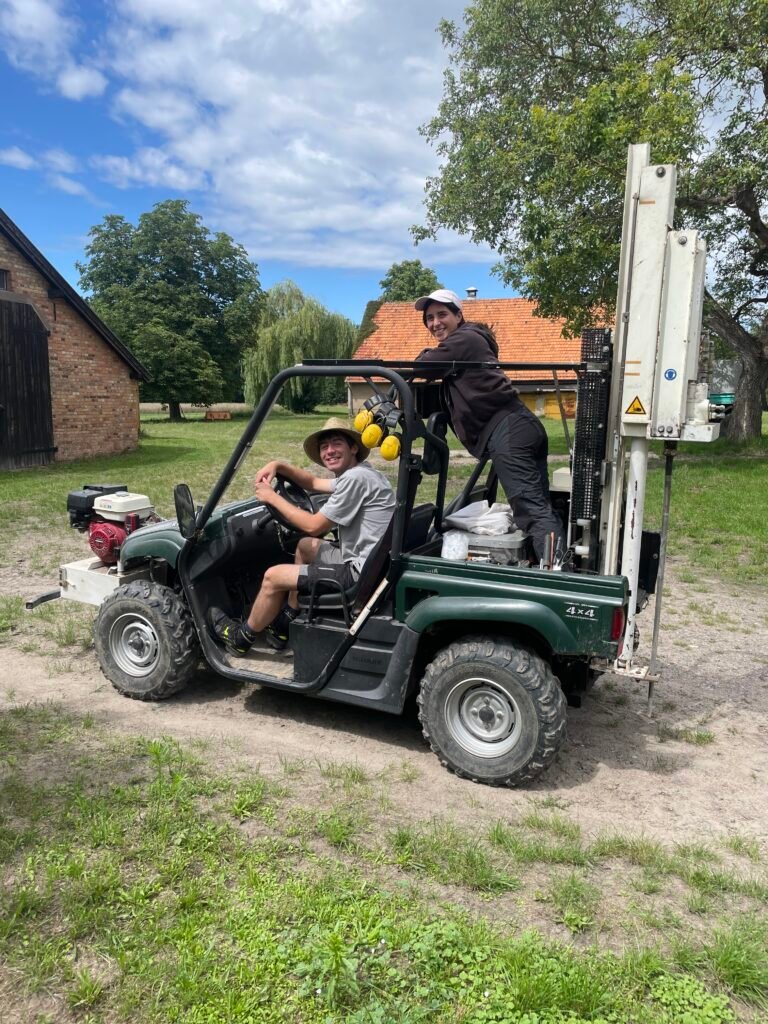
The project focuses on soil- and crop-management practices such as mulching with cover crops, building soil organic matter, targeted irrigation, organic fertilization, and mechanical weed control. The goal is to develop practical agricultural strategies that strengthen soil resilience, stabilize yields, and offer farmers viable alternatives as traditional crops suffer increasingly from drought stress.
CicerAtoPs connects science and practice to develop pathways toward sustainable, climate-ready agriculture – supporting long-term food security, soil health, and regional value creation.
CicerAtoPs combines science and practice to develop solutions for sustainable, climate-adapted agriculture—thereby strengthening long-term food security, soil fertility, and regional value creation.
The project is supported by funds from the Federal Ministry of Agriculture, Food and Regional Identity(BMLEH) based on a decision of the Parliament of the Federal Republic of Germany via the Federal Office for Agriculture and Food (BLE) under the innovation support program.
The project is supported by funds from the Federal Ministry of Agriculture, Food and Regional Identity (BMLEH) based on a decision of the Parliament of the Federal Republic of Germany via the Federal Office for Agriculture and Food (BLE) under the innovation support program. The project started August 2024, and runs until August 2027, and is being conducted by Humboldt University of Berlin.
Contact us for more information
The project is coordinated and managed by the Albrecht Daniel Thaer Institute of Agricultural and Horticultural Sciences, Division of Crop Production. Location: Albrecht-Thaer-Weg 5, 14195 Berlin, Germany.