CicerAtoPs:Cicer arietinum and
Secale cereale –
Adaptation to climate change through the development of drought
tolerant crop
production
systems.
Albrecht Daniel Thaer Institute of Agricultural and Horticultural Sciences, Division of Crop Production
Introduction
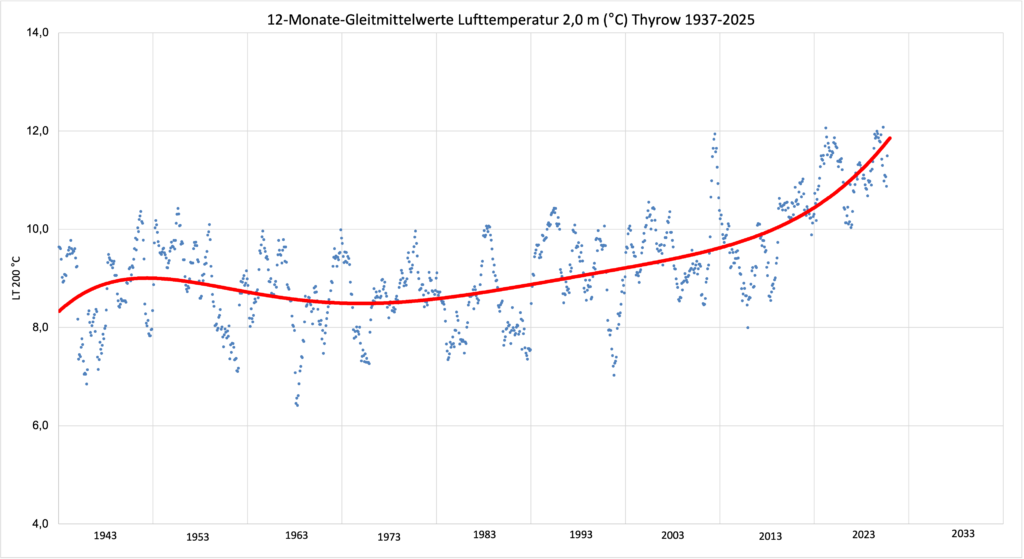
Climate change is causing changes to weather patterns. New precipitation patterns are emerging combined with rising temperatures, resulting in drought periods which are impacting crop yield formation and causing reduced productivity, specifically in rain fed agricultural crops. This is limiting the spectrum of what can be grown in already challenging circumstances for many farmers, and has the potential to impact livelihoods and food security. It is therefore important to identify new future methods and develop crop rotation systems that are adapted to drought tolerance and climate change pressures, that are additionally environmentally friendly and locally resilient.
Chickpea (Cicer arietinum)is the second highest consumed legume crop in the world. Europe currently only produces 4% of worldwide chickpea production. There is increasing interest to scale up production to meet local demand; especially in the area of organic cultivation. As a plant it is resilient to the key stress factors of climate change (extreme temperatures and drought). Additionally, as it is a legume it does not generally require mineral nitrogen fertilizers and possesses nitrogen fixing capacities. Reducing nitrogen fertilizer requirements whilst increasing subsequent crop yields when included in crop rotations. It can additionally improve biodiversity in the agricultural landscape. Chickpea therefore can contribute towards sustainable productive agricultural systems.
Chickpea could be successful in the North – East German lowlands. With increasing temperatures resulting from climate change progressing, Germany possesses the right combination of factors for producing chickpeas: fewer frost days, longer growing season, decreasing precipitation in spring and summer. Growing requirements of chickpeas could therefore be met in Germany in the future, making this a good crop replacement within a crop rotation cycle for crops not coping with the more extreme environmental conditions (for example winter rapeseed).
Constraints to Chickpea production
While chickpeas withstand high temperature variations, with an optimum temperature range of 10-30’C, Crop yields though can be reduced by up to 70% due to drought and heat stress; where high temperatures (>32’C) during the reproductive stage, and setting of the legumes have the highest negative impact; causing up to 80% losses in yield.
Additionally, weeds are a major constraint in chickpea cultivation, especially in irrigated production, reducing yields up to 75%. Herbicides are unavailable in Germany tackling weed competition, and they cannot be used in organic agriculture, which is where the main potential exists for the crop’s expansion of chickpeas within Germany- therefore mechanical removal has been advised.
Project aim
DGermany has the potential to significantly increase chickpea cultivation. CicerAtoPs aims to develop methods and ways to increase yields, which have so far been limited by three main factors:
a) insufficient water supply, especially during germination, b) inadequate weed control, and c) shallow root systems.
The influence of the following factors is being investigated:
1. Targeted irrigation,
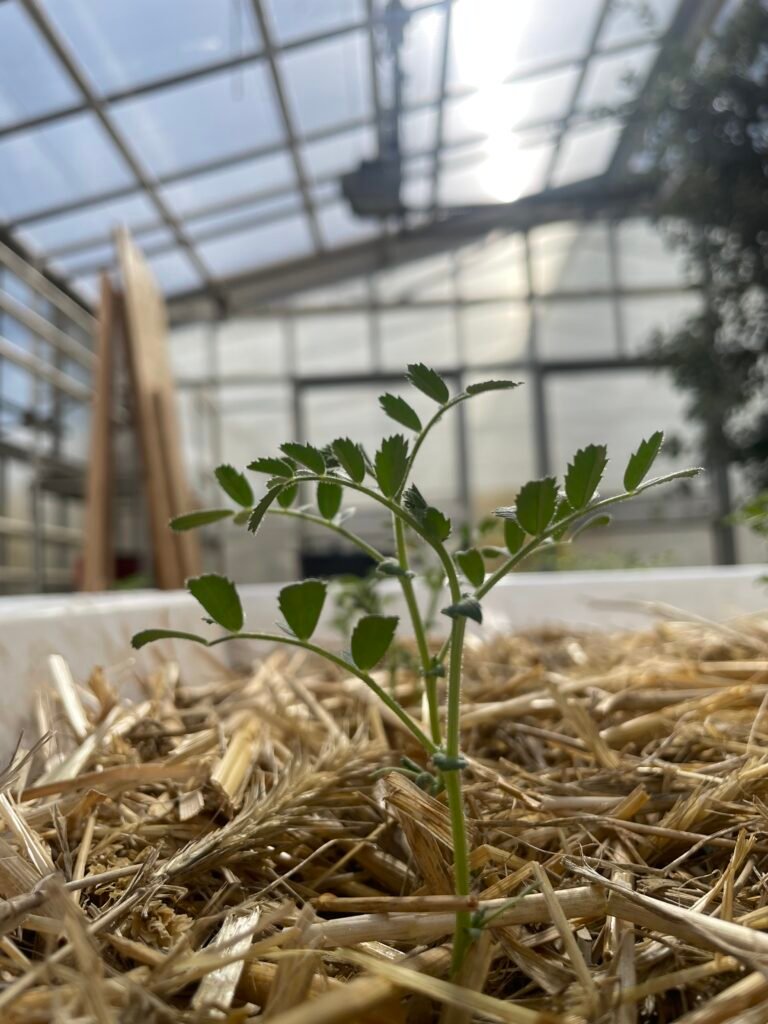
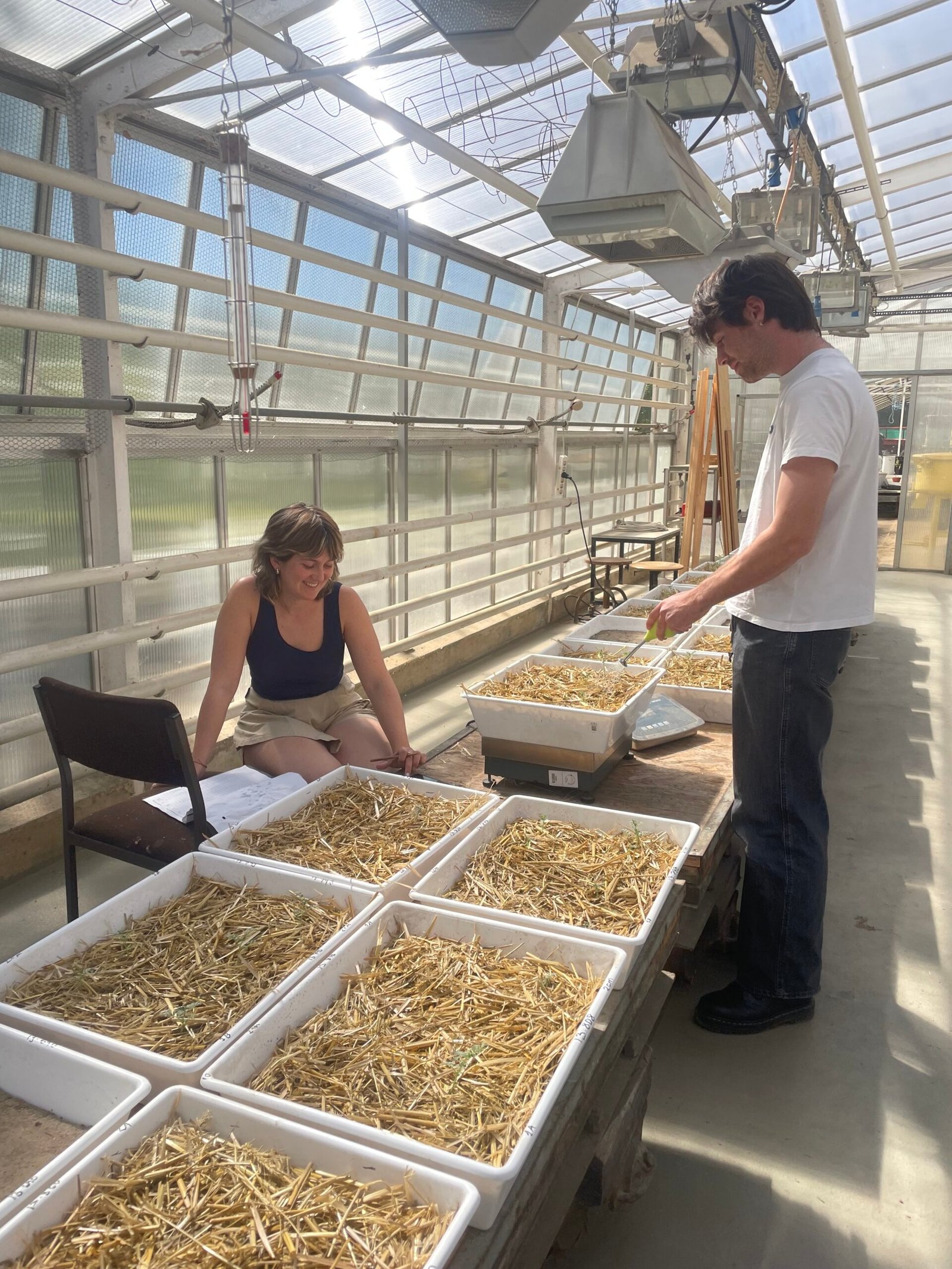
2. Organic fertilization and increasing humus content through straw and cover crop management,
3. Mechanical weed control using a corn hoe.
The aim is to develop specific recommendations for farmers with dry and/or sandy soils. In addition, the effect of chickpeas on soil properties and soil moisture is being investigated. Chickpeas are being integrated into a locally typical crop rotation system.
Suitability for cultivation and effects on soil fertility are compared with winter rye, a high-yielding, water-efficient crop that is used in almost all crop rotations in the target region. Rye yield is also recorded in each growing season to assess the potential nitrogen supply of chickpeas for subsequent crops.
The following Research objectives will be addressed
Whether weed occurrence within chickpeas can be regulated mechanically utilising a corn hoe (at varying row widths) so no yield loss occurs as a result of improper weed management.
Whether mulching a catch crop (2 different varieties) and a) leaving the mulch layer on the surface; or b) incorporating the catch crop before planting the chickpeas, can increase the soil moisture and therefore reduce the need for irrigation. Additionally, if the mulch (type) has an effect on the weed growth and can help suppress it.
If Chickpea yield can be increased by watering at the start of the vegetation and before flowering.
If yield losses caused by drought can be compensated for in chickpeas and rye by higher humus contents in both field trials.
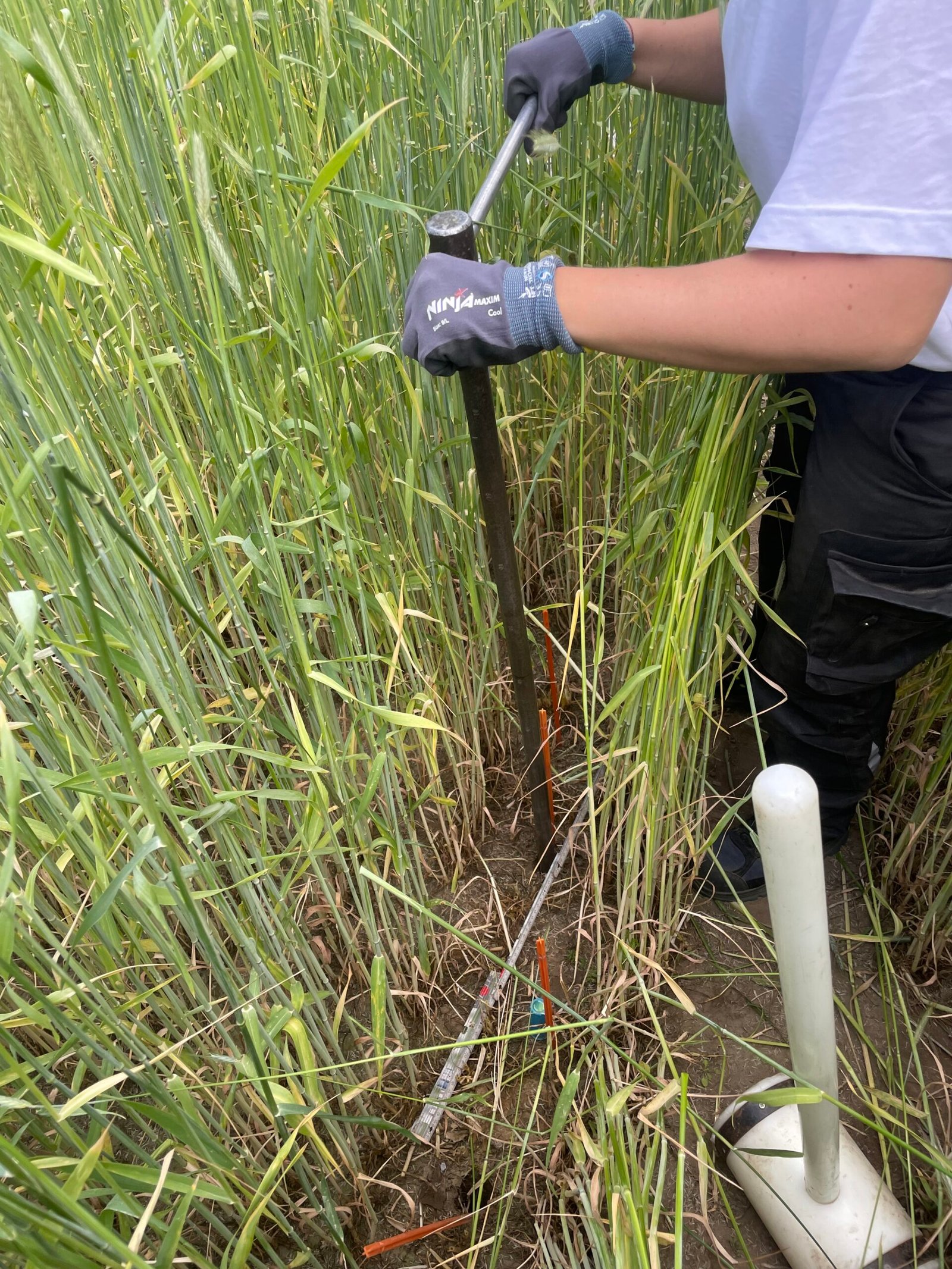
If Irrigation influences root growth causing shallow root systems. We aim to investigate if Chickpeas develop deeper rooting systems than rye, and also if irrigation impacts the root growth and therefore yield.
Field Trial Site
Brandenburg is a German federal state located in North Eastern Germany, surrounding Berlin, comprised predominantly of agricultural and forest areas. It is characterised by morainic sandy soils with low water retention capacities. As a region, Brandenburg is one of the driest federal states within Germany, with significantly lower precipitation rates than other states (less than 600 mm), resulting in a negative climatic water balance due to potential evapotranspiration rates exceeding precipitation levels. Drought periods often occur in late summer and early spring, days recorded with soil water contents <50% have been increasing significantly since 1971. Brandenburg is therefore characterised as an arid region and considered extremely vulnerable to climate change in Germany.
Methodology
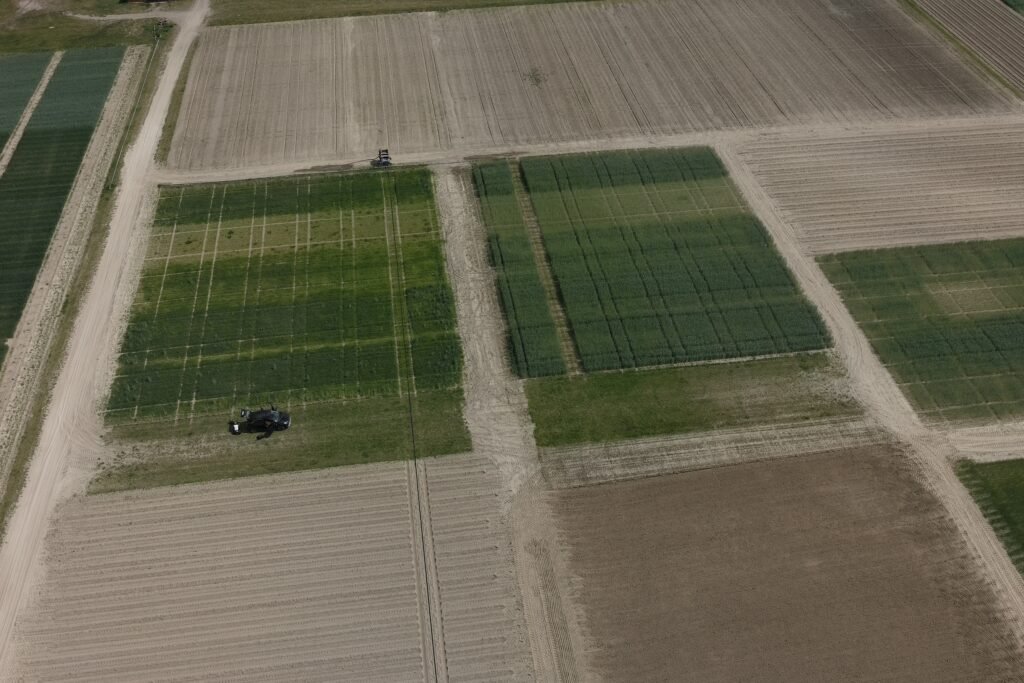
The project will be conducted at the Teaching and Research station for Plant Sciences at the Humboldt University of Berlin, located in Thyrow, 30km south of Berlin. Dominant soil type is pale brown earth with sand content >80% in the subsoil. Low water supply has a yield impacting effect. Average rainfall at site is 510mm, and average temperature of 9,2’C.
We will run two experiments for the project:
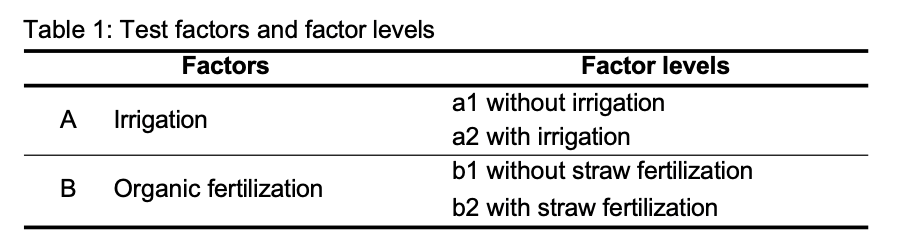
Long-term field trial “Fertilization and irrigation trial D1” (in existence since 1937):
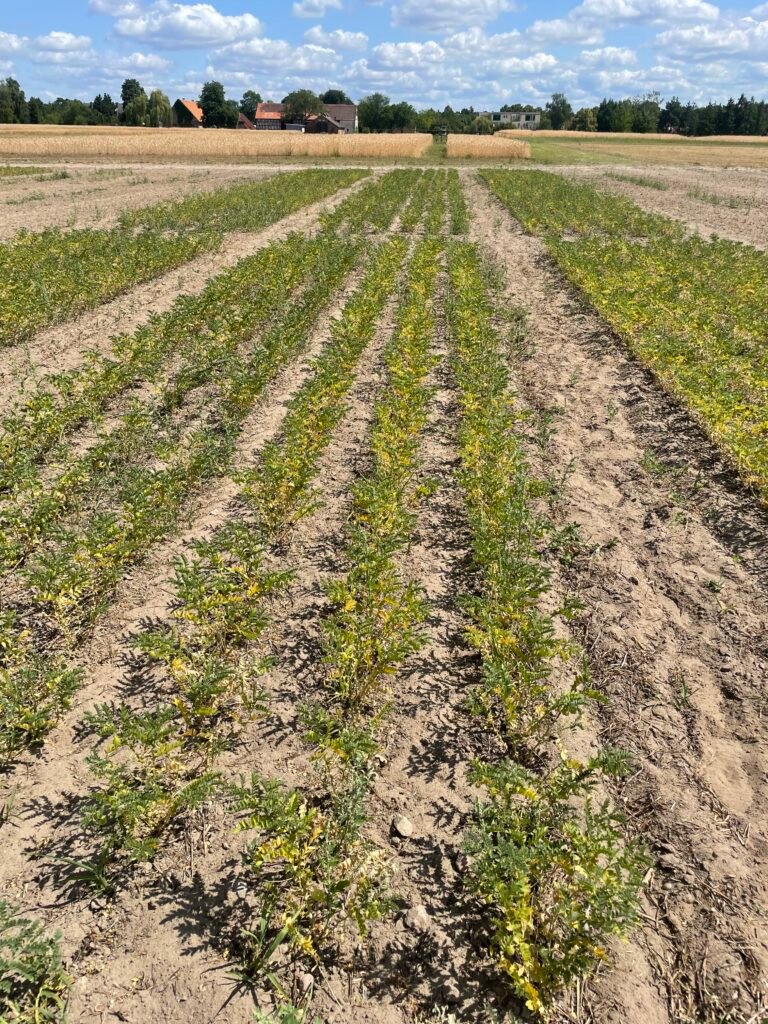
This is a long-term trial involving the factors of irrigation, fertilization, and crop rotation (cocksfoot grass – potatoes – winter wheat – chickpeas – winter rye). In 2023, chickpeas replaced winter rapeseed, as the latter suffered significant yield losses due to climatic influences (drought) and is no longer considered a suitable crop. Active weed management is carried out, but not as a treatment factor (row spacing 50 cm).
All crops are present annually in the subplots. For this project, the following four variants are being investigated, each for a) chickpeas and b) winter rye.
Intercrop trial:
A newly established trial with two cover crops (phacelia and yellow mustard) grown before the chickpeas. The following factors are being investigated:
Factor 1: Cover crop management (incorporation into the soil vs. chopping and leaving as a mulch layer).
Factor 2: Type of catch crop (phacelia/yellow mustard). → This results in 4 variants, each repeated 4 times (=16 plots). The trial is located in the immediate vicinity of the permanent field trial D1. In contrast to D1, weed control is carried out here with a hoe at a row spacing of 37.5 cm.
The project is supported by funds from the Federal Ministry of Agriculture, Food and Regional Identity (BMLEH) based on a decision of the Parliament of the Federal Republic of Germany via the Federal Office for Agriculture and Food (BLE) under the innovation support program. The project started August 2024, and runs until August 2027, and is being conducted by Humboldt University of Berlin.
Contact us for more information
The project is coordinated and managed by the Albrecht Daniel Thaer Institute of Agricultural and Horticultural Sciences, Division of Crop Production. Location: Albrecht-Thaer-Weg 5, 14195 Berlin, Germany.